- Your cart is empty
- Continue Shopping

Uncategorized
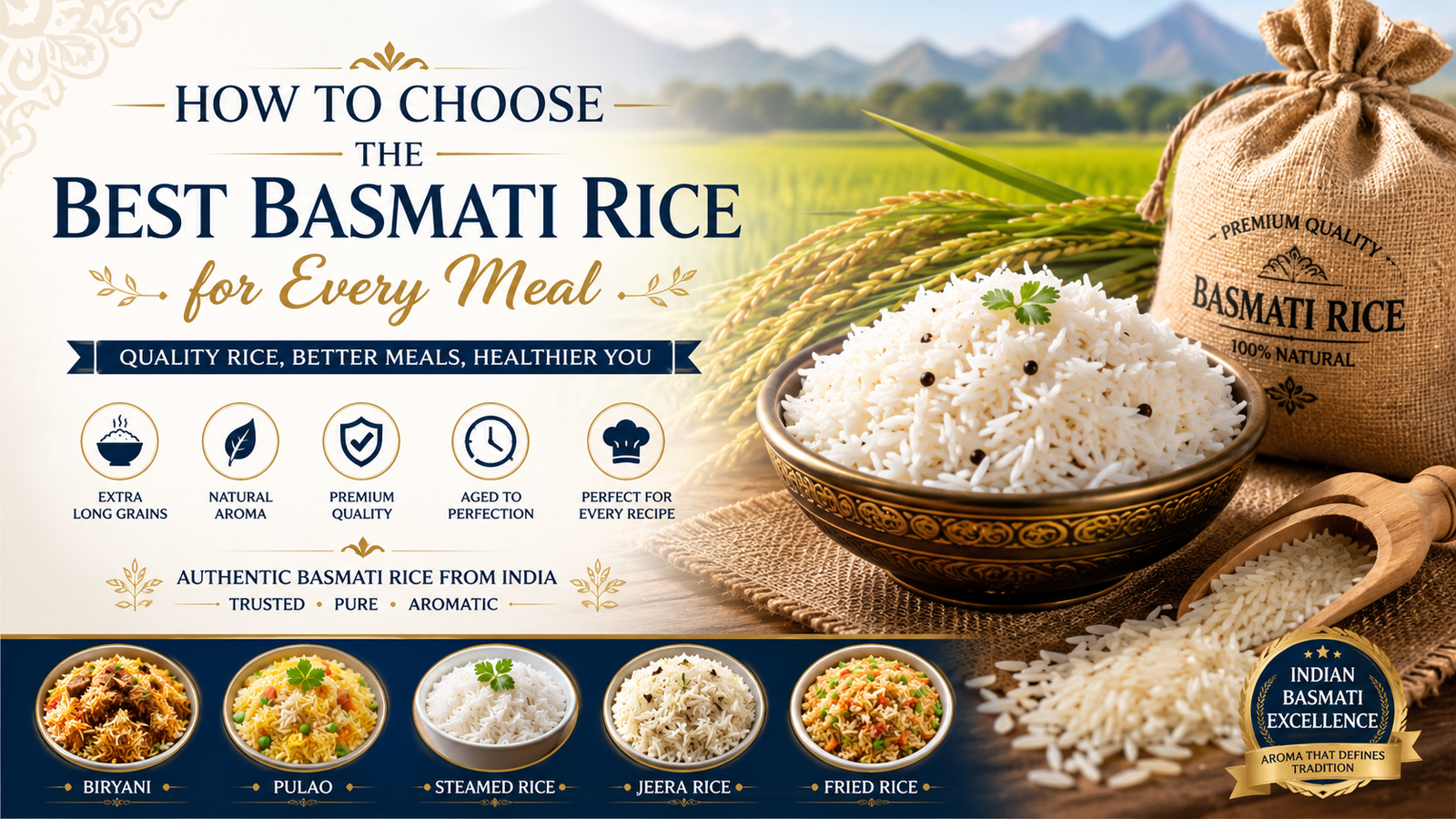
How to Choose the Best Basmati Rice for Every Meal
-
By Diwan Saheb
- Posted on
- 0 comments
When it comes to preparing delicious meals, the quality of rice plays a vital role. Whether you’re making aromatic biryani, simple steamed rice, pulao, or fried rice, choosing the right basmati rice can significantly enhance the taste, texture, and presentation of your dish. India is globally recognized for producing premium-quality basmati rice India is famous for, thanks to its ideal climate, fertile soil, and centuries-old farming traditions.
However, with so many varieties available in the market, selecting the perfect rice can be confusing. This guide will help you understand what to look for and how to choose the best basmati rice for every meal.
Why Basmati Rice is Special
Basmati rice is known for its naturally long grains, delicate aroma, fluffy texture, and exceptional taste. Unlike ordinary rice, authentic Indian basmati elongates significantly after cooking without becoming sticky.
The popularity of basmati rice India continues to grow worldwide because it offers:
- Extra-long grains
- Rich natural fragrance
- Soft yet separate texture
- Excellent cooking performance
- Premium dining experience
These qualities make basmati rice the preferred choice for homes, restaurants, hotels, and food businesses across the globe.
Factors to Consider When Choosing Basmati Rice
1. Check the Grain Length
One of the first indicators of premium rice quality is grain length.
Look for:
- Long and slender grains
- Uniform size
- Minimal broken grains
- Consistent appearance
Longer grains expand beautifully during cooking and provide an attractive presentation.
2. Choose Aged Basmati Rice
One of the biggest secrets behind restaurant-quality rice is using aged basmati rice.
Aging naturally reduces moisture content, allowing the grains to:
- Cook longer without breaking
- Become fluffier
- Absorb flavors better
- Deliver a richer aroma
Most premium exporters age their rice for 1–2 years before packaging.
If you’re preparing biryani or festive meals, aged basmati rice is always the better choice.
3. Understand Different Basmati Varieties
Not every variety suits every recipe.
Extra Long Grain Basmati
Perfect for:
- Biryani
- Pulao
- Wedding meals
- Luxury dining
Traditional Basmati
Best for:
- Everyday meals
- Dal rice
- Curry combinations
Premium Export Quality Rice
Ideal for:
- Restaurants
- Hotels
- Catering businesses
- International markets
Choosing the correct variety ensures the best cooking results.
Match the Rice with Your Meal
Different dishes require different rice characteristics.
| Meal | Recommended Rice |
|---|---|
| Biryani | Extra-long aged basmati rice |
| Pulao | Premium long-grain basmati |
| Jeera Rice | Traditional basmati |
| Fried Rice | Medium-aged basmati |
| Steamed Rice | Everyday premium basmati |
| Royal Indian Meals | Export-quality aged basmati |
Using the right rice enhances both taste and texture.
Look for Natural Aroma
Authentic basmati rice has a naturally pleasant fragrance.
Avoid products that smell artificial or have no aroma at all.
Premium rice develops its fragrance naturally during cultivation and aging.
The aroma should become even more pronounced after cooking.
Examine Rice Quality Carefully
High rice quality can be identified by observing:
- Uniform grain size
- Clean appearance
- No stones or impurities
- Low percentage of broken grains
- Natural white or creamy color
Premium rice manufacturers also maintain strict quality control during processing and packaging.
Check the Packaging
Quality packaging protects rice from moisture and contamination.
Look for:
- Airtight packaging
- Manufacturing details
- Export certifications
- Batch number
- Proper labeling
Reliable packaging ensures freshness and longer shelf life.
Consider Cooking Performance
Good basmati rice should:
- Cook evenly
- Stay non-sticky
- Remain fluffy
- Expand in length
- Maintain its shape
Poor-quality rice often becomes sticky, mushy, or breaks during cooking.
Select Rice Based on Occasion
Everyday Cooking
Choose economical premium basmati with good aroma and consistent quality.
Ideal for:
- Lunch
- Dinner
- Family meals
Special Occasions
For weddings, festivals, parties, or celebrations, choose premium aged basmati rice with extra-long grains.
It creates an impressive presentation and richer flavor.
Restaurants and Catering
Commercial kitchens should prioritize:
- High grain elongation
- Consistent cooking
- Premium appearance
- Reliable rice quality
This ensures customer satisfaction across every serving.
Tips for Identifying the Best Basmati Rice Brand
When searching for the best basmati rice brand, consider the following factors:
- Reputation in the market
- Positive customer reviews
- Export-quality standards
- Quality certifications
- Transparent sourcing
- Consistent grain size
- Proper aging process
Trusted brands invest in quality control from cultivation to packaging, ensuring customers receive premium products every time.
Common Mistakes to Avoid
Many buyers unknowingly purchase lower-quality rice because they focus only on price.
Avoid these mistakes:
- Buying without checking grain length
- Ignoring aging information
- Choosing products with excessive broken grains
- Purchasing from unreliable sellers
- Overlooking packaging quality
A little attention before buying can greatly improve your cooking experience.
Storage Tips
Even premium basmati requires proper storage.
Store rice in:
- Airtight containers
- Cool, dry places
- Moisture-free environments
- Away from direct sunlight
Proper storage helps preserve its aroma, freshness, and cooking quality.
Why Indian Basmati Rice Leads the World
There is a reason why basmati rice India is trusted by consumers in over 100 countries.
Indian farmers cultivate basmati in the fertile foothills of the Himalayas, where the unique climate and soil produce grains with unmatched aroma, texture, and flavor. Combined with advanced milling, careful aging, and rigorous quality checks, Indian basmati consistently meets international standards.
This commitment to excellence makes Indian basmati the preferred choice for households, chefs, restaurants, and food importers around the world.
Conclusion
Choosing the right basmati rice doesn’t have to be difficult. By focusing on grain length, aroma, aged basmati rice, packaging, and overall rice quality, you can confidently select the ideal rice for every meal.
Whether you’re preparing a simple family dinner or an elaborate biryani, premium basmati rice India offers exceptional taste, fluffy texture, and an authentic dining experience. Investing in the best basmati rice brand ensures every dish is flavorful, aromatic, and memorable.
When quality matters, authentic Indian basmati rice remains the gold standard for kitchens across the globe.
